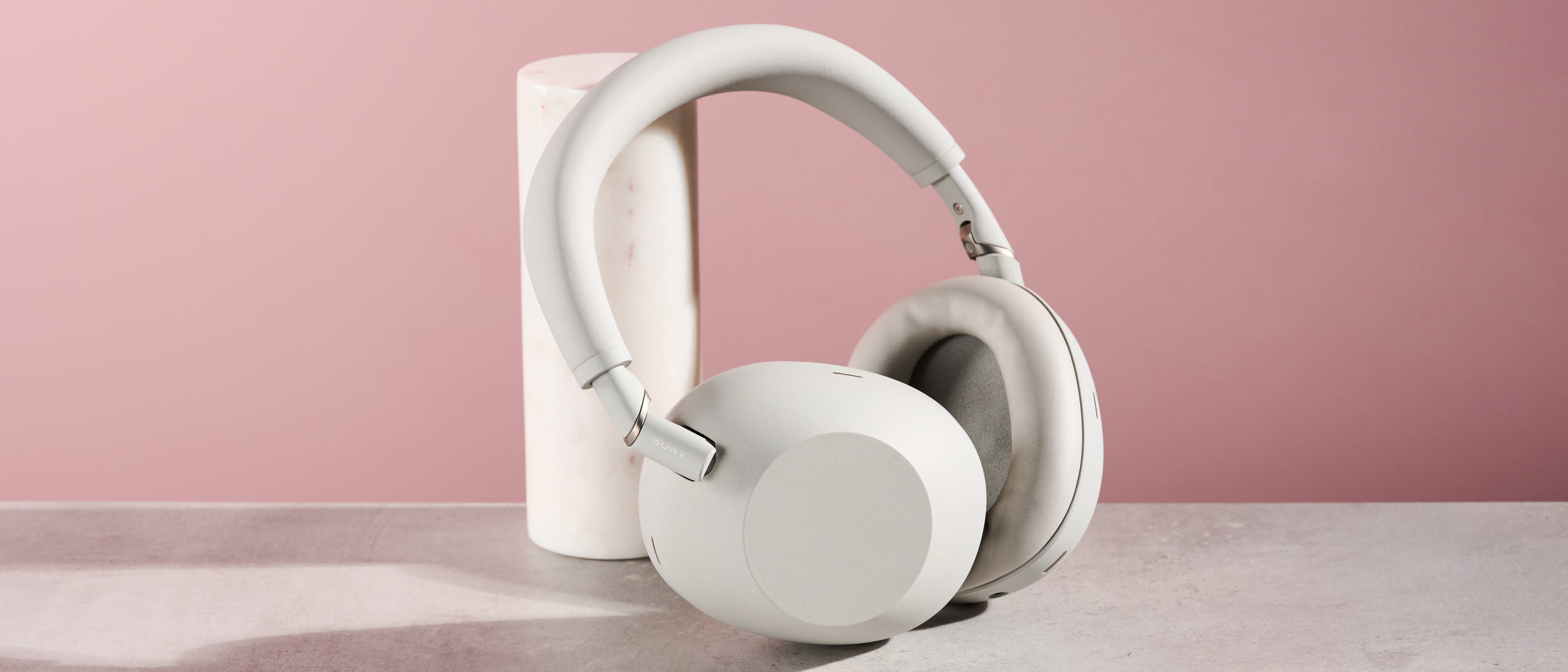
The best of the XM4 and XM5 in one new pair of cans

If you're wondering what is a LUT, you're not alone – the phrase has only entered the mainstream imaging lexicon fairly recently, but it has certainly spread like wildfire.
LUT is an abbreviation. It stands for lookup table, a rather dry and dusty definition that doesn’t even hint at what LUTs can do. And while they're primarily used by video folks, they can also be employed in photography post-production as well.
They have two main uses in videography and editing/grading. One is to convert images from one color space or profile to another – for example, if you’ve shot in aSonylog profile and you need to convert that to a regular color space for editing and sharing.
The second, increasingly popular use, is to apply creative tonal and color shifts for stylized ‘looks’.
>>>Panasonic HC-V720GK Replacement Battery
LUTs are not just another type of picture style or simulation. They are, very literally, conversion tables that take pixel values from the original image or video, and change them to other pixel values with various tone and color shifts.
If you’re into color-managed desktop printing, you’ll be familiar with custom ‘printer profiles’ and ‘monitor profiles’. It’s a bit like that, but often used for creative purposes, not just color correction.
For this explanation I’ll stick to ‘creative’ LUTs, since this is the major trend right now. The way they work means you can shift colors and tones in any direction you like, for cross-processing effects, black-and-white filter effects and just about any other effect you can carry out with color and tone adjustments.
There are no sliders or adjustments with LUTs; they just do what they do. There are tools you can use to design your own LUTs, such asfylm.ai, for example.
This is probably a job for color grading experts, though, because there are many subtleties involved in producing effective and attractive color and tonal shifts that can be applied across a range of images/videos.
That’s the first thing to know about LUTs. It sounds a limitation, but a properly-designed LUT can be a friend for life. Once you start trying them out you will quickly find favorites that you will want to use again and again.
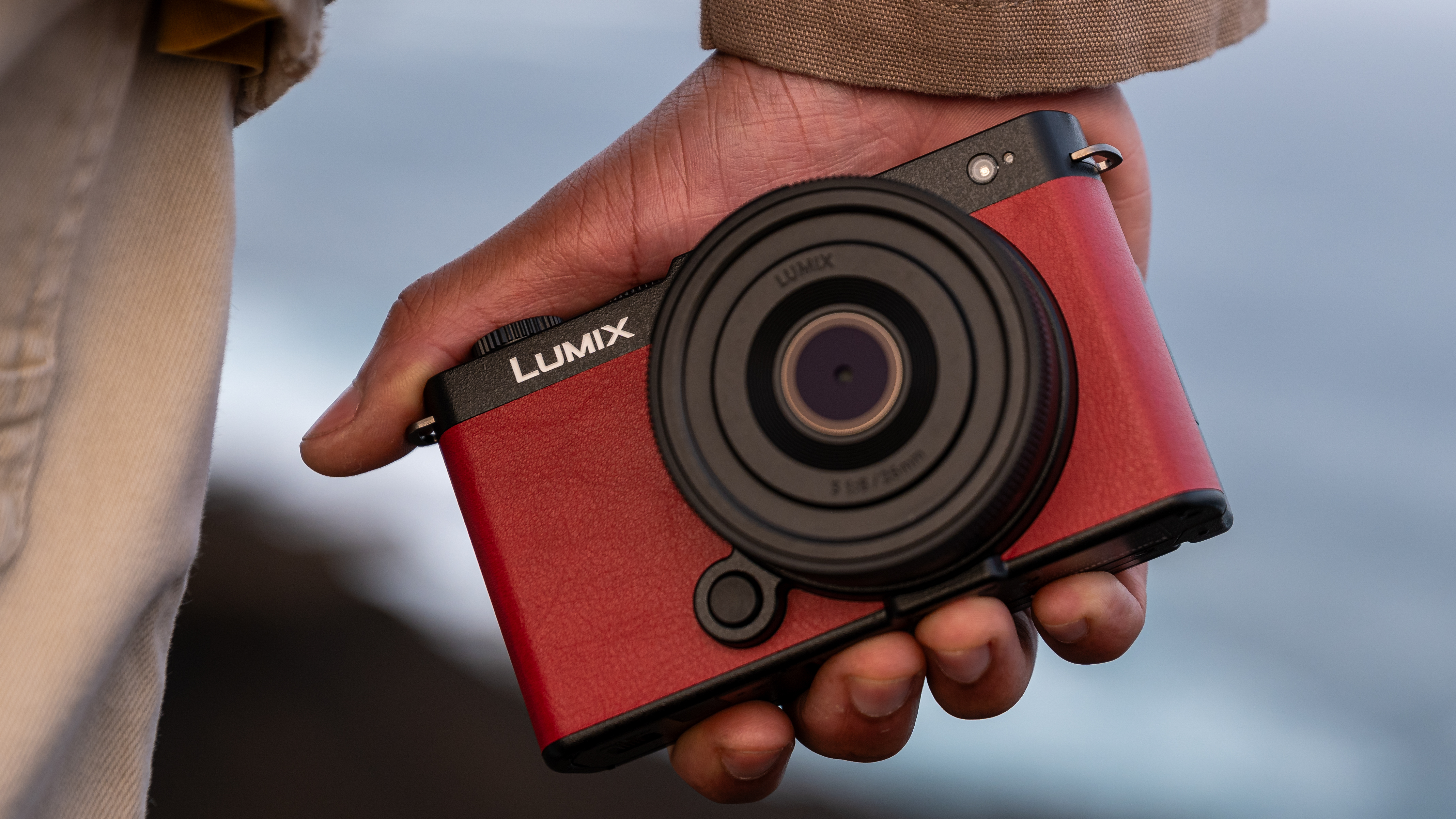
But perhaps the key point about LUTs is that they use a standardized .cube format that can be used across multiple devices and editors. You could load a LUT that you love in yourvideo editing softwareinto yourPanasonic Lumix S9, for example, or use the same LUT in yourphoto editing software.
Not all photo editors support LUTs, and some use them (incorrectly) as an effect filter mixed in with the other editing tools. It’s best to think of LUTs as a kind of pre-processing treatment ahead of your actual editing. If you work inLightroomyou’ll be familiar with Profiles, which do a similar job – though it would be nice if Lightroom used LUTs instead!
So are LUTs the future? For videographers, they are an important technical and creative tool. For stills photographers, presets and filters do the same job with a little more control – but even here, once you’ve found some favorite LUTs, there’s often no going back.
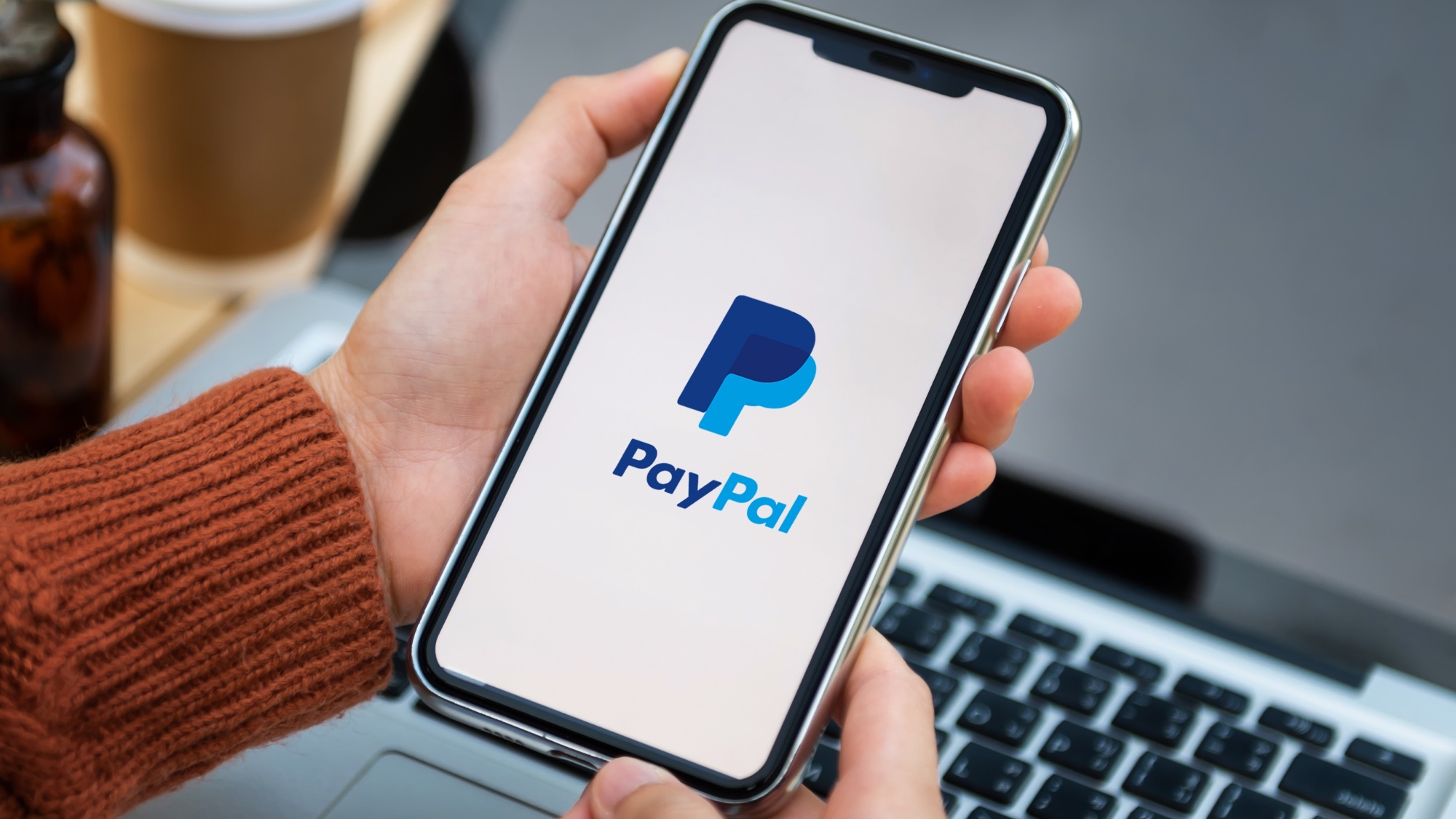
Can you imagine being able to tap your iPhone and pay for something without having to use Apple Pay? That situation is very real for German iPhone users, with reports that PayPal's tap-to-pay feature is now available to use in the country (viaiPhone Ticker).
Actually, this isn't a huge surprise. The EU'sDigital Markets Act(DMA) already forced Apple to open iPhone NFC chips to third-party payment providers. PayPal also announced that it would introduce this feature in Germany in apress releaseat the start of the month.
The feature is for iPhone only for now. Sorry, Android users, but it should work with payment terminals that support Mastercard. Based on my limited experience of travelling in Germany, that isn't likely to be difficult.
The Vergenotes that this isn't the first third-party tap-to-pay system to come to iPhones. While Norway isn't actually a member of the EU, local payment app Vipps was the first company to take advantage of the newly opened NFC system back in December.
Obviously, PayPal is a much bigger deal, and it's unlikely that it will limit tap-to-pay to the German market for long — assuming everything goes well.
>>>A2660 Battery for Apple iPhone 13 Mini
While most of the DMA-imposed changes to iOS are limited to the EU,Apple has confirmed that it would be opening tap-to-pay in other regions as well— including the U.S. That process all kicked off withiOS 18.1, which arrived in October.
According to Apple, developers will be able to offer "in-app contactless transactions" for various things, including payments, car keys, transit passes, IDs, hotel room keys and even reward cards. Government ID support is also expected to arrive at some point in the future.
The changes also allow iPhone users to accept contactless payments via NFC. That means you can send money to your friends by tapping your phones together, rather than going through the motions of finding their account on Venmo or some other payment provider.
>>>A2552 Battery for Apple Watch Series 7 45MM
The appropriate APIs were made available to developers in the U.S., U.K., Australia, Canada, Japan, New Zealand and Brazil. It's up to PayPal (or whoever else might be interested) to make it happen.